2026-09-19
Onda Lifting 60KJ, 80KJ, 100KJ Differences: Is Higher Energy Always Better?
Comparing Onda Lifting energy levels (60KJ, 80KJ, 100KJ) shows higher energy is not always better; personalized design based on facial fat and elasticity yields optimal results.

Hello.
This is Wonderful Plastic Surgery.
During Onda Lifting consultations,
one of the most common questions we receive is:
"Does 100KJ deliver better results than 60KJ?"
To get straight to the point,
higher energy does not automatically mean better results.
What matters most is not simply how high the energy level is,
but whether the energy used is precisely tailored
to your face and amount of localized fat.
Who is 60KJ suitable for?
60KJ is often used for relatively smaller treatment areas,
individuals with less facial fat,
those seeking light jawline contouring,
or those primarily wanting elasticity improvement.
✔ A relatively petite face
✔ Mild or minimal double chin
✔ Skin elasticity improvement as the primary goal
When is 80KJ used?
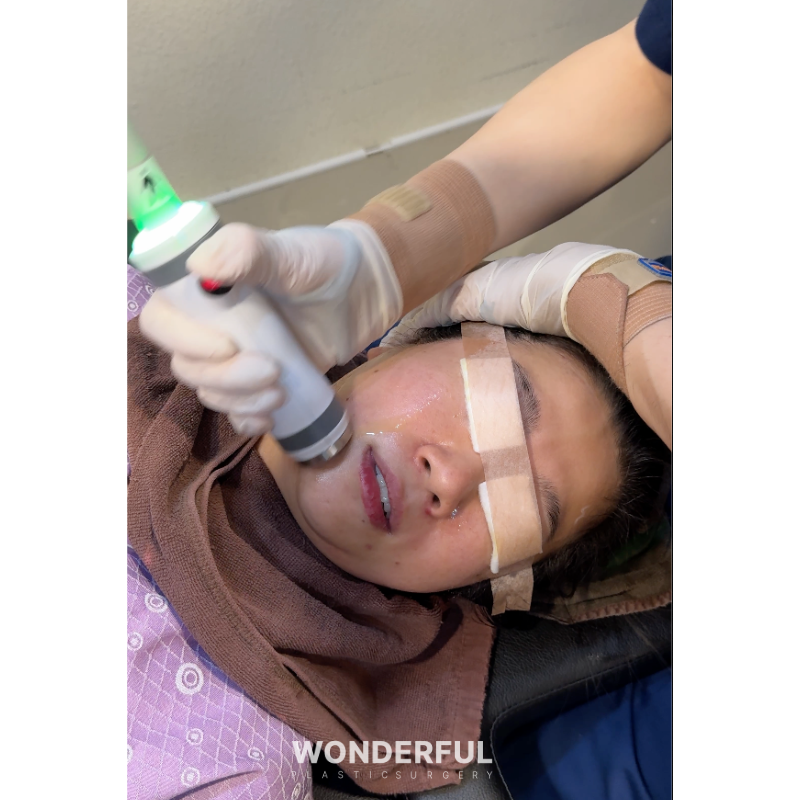
80KJ is one of the most widely applied energy levels.
It is frequently chosen when addressing both fat reduction and skin elasticity together,
or when you want a more defined approach to treating the jawline and double chin.
✔ Those who want to manage both fat and elasticity simultaneously
✔ Those experiencing slight loss of jawline definition
✔ Those looking to sculpt a clearer, sharper facial contour
Who is 100KJ recommended for?
100KJ is commonly applied to broader treatment areas,
cases with a relatively higher volume of fat,
or body contouring treatments.
However, 100KJ does not guarantee
superior results for everyone.
In fact, for individuals with smaller faces or minimal fat,
it may simply be an unnecessarily high energy dose.
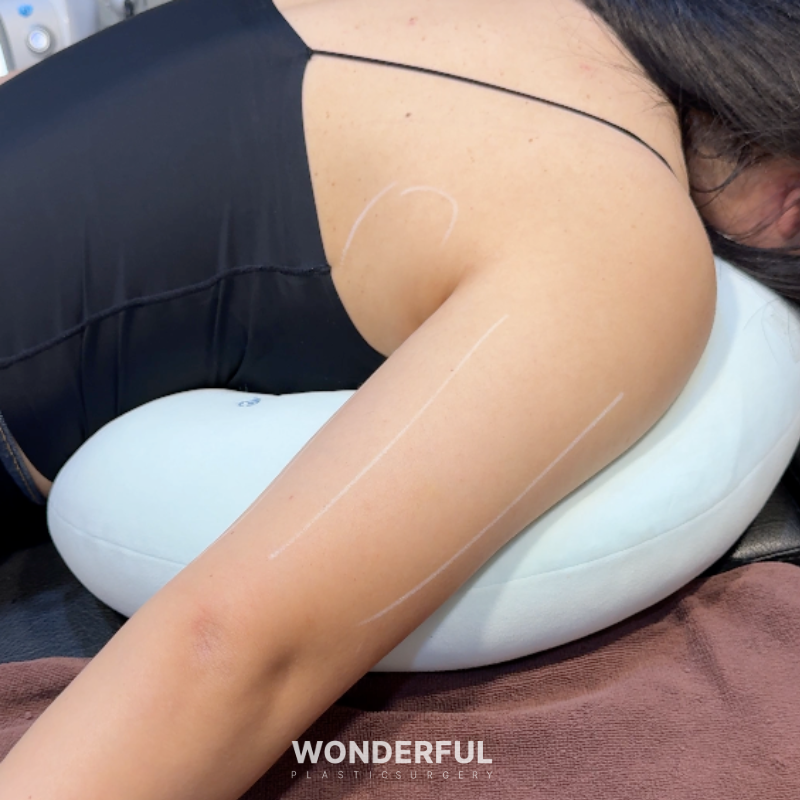
✔ A higher volume of localized fat
✔ Treatment across broader anatomical areas
✔ Cases where the medical team determines it is necessary
based on individual assessment
What matters more than energy is the 'Design'.
Even when using the same 100KJ, the results will not be identical for everyone.
This is because the outcome depends entirely on:
✔ Which specific areas are targeted!
✔ How concentrated the application is!
✔ How strategically the energy is distributed!
by the treating physician.
That is why at Wonderful Plastic Surgery,
we do not simply state, "We will treat you with 100KJ."
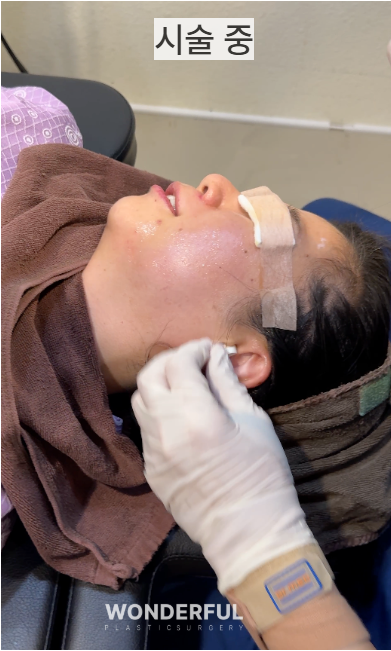
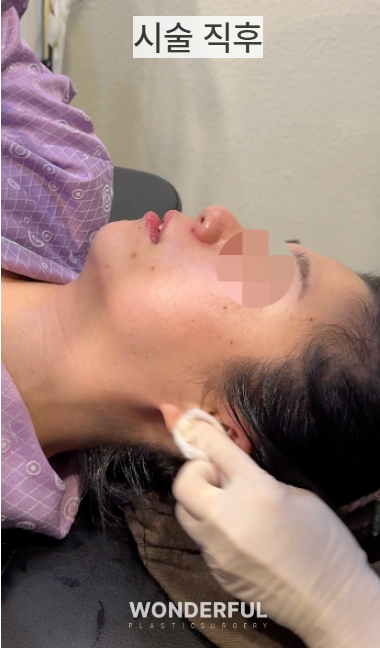
Instead, we conduct a comprehensive analysis of individual fat distribution and skin elasticity
before planning the optimal energy application.
Onda Lifting is not a procedure where
"Higher Energy = Better Results."
The finest results begin with
accurately delivering the energy level that best matches
your unique facial and body condition.
Frequently Asked Questions
Does higher energy in Onda Lifting guarantee better lifting results?
No, higher energy does not necessarily mean better results. What is crucial is selecting the appropriate energy tailored to your face size, fat volume, and skin elasticity; excessive energy that does not match your tissue profile can be unnecessary and counterproductive.
In what cases is Onda Lifting 60KJ suitable?
It is suitable for individuals with minimal facial fat or when skin elasticity improvement is the primary objective. It is mainly used for smaller treatment zones, petite facial structures, mild double chins, and subtle jawline refining.
Who is Onda Lifting 80KJ usually recommended for?
It is primarily recommended for those looking to address fat reduction and skin tightening concurrently. It is widely used to restore a blurred jawline, sculpt sharper contours, and actively contour the double chin area.
Who is recommended to receive Onda Lifting 100KJ?
It is recommended for individuals with higher localized fat volume, larger treatment areas, or for body contouring. However, for those with leaner faces, it may be excessive, so clinical judgment by medical staff is essential.
What is more important than the energy level during Onda Lifting?
Precise clinical design and targeted energy distribution are paramount. Even with identical total energy, results vary significantly based on which areas are prioritized, how energy is focused, and how effectively it is distributed across tissue planes.